
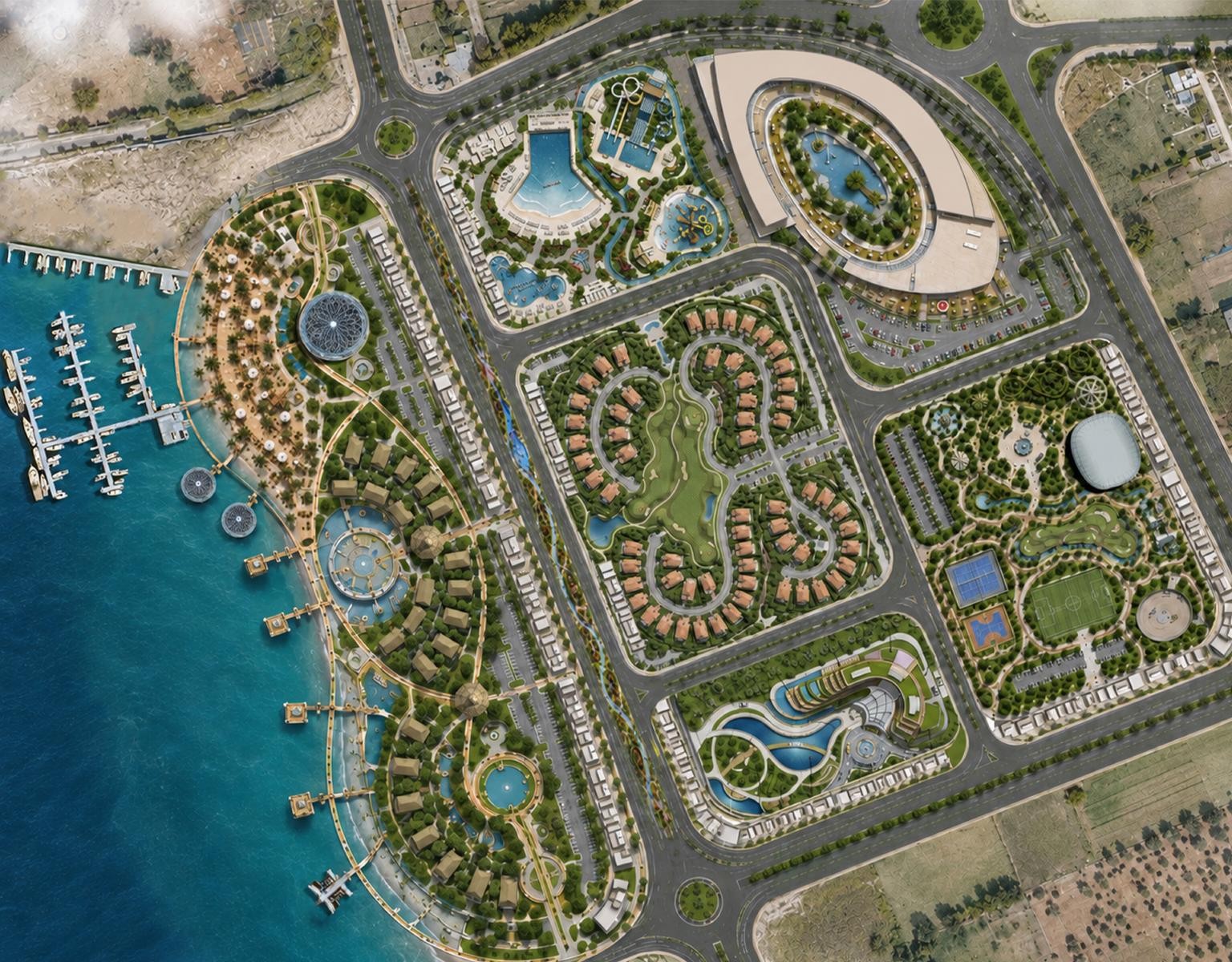
For a Gulf or regional investor evaluating a project in Syria, early engineering due diligence is not a design exercise. It is a structured way to understand what can be built, what information is still missing and which technical decisions could materially affect cost, programme or development value.
Start with the land, not the rendering
A compelling concept image can communicate ambition, but it cannot confirm whether a site is suitable for the proposed use. The first review should establish the plot boundaries, available survey information, access conditions, surrounding uses, utilities, terrain and visible physical constraints.
Planning status and approval pathways also need to be mapped at an early stage. Requirements vary by location, authority and project type, so the consultant should separate verified information from assumptions and identify the decisions that require formal confirmation.
- Topographic and boundary information
- Planning and land-use context
- Access, servicing and infrastructure
- Existing structures and site constraints
Test the development brief as one coordinated system
The proposed mix of uses, approximate areas, height, parking, circulation and public realm should be tested together. A commercially attractive area schedule can become inefficient if structure, vertical transportation, back-of-house operations or life-safety requirements are considered too late.
A multidisciplinary consultancy can bring architecture, structures, mechanical, electrical, public-health and infrastructure thinking into the same feasibility conversation. This makes the advice more useful because every discipline is testing the same development assumptions.
Turn uncertainty into a decision register
Good due diligence does not pretend that every answer is available on day one. It creates a transparent register of confirmed facts, open questions, technical risks and recommended next actions. The investor can then decide which studies are needed before acquisition, before concept approval and before tender.
The outcome should be concise enough for a decision-maker to use: a site and opportunity summary, major constraints, an initial engineering view, priority investigations, approval dependencies and a recommended route into feasibility and design.
What to bring to the first technical review
A focused first meeting becomes more productive when the investor shares the intended use, location, approximate scale, available land documents, target programme and any existing studies. LINE can then assemble the relevant disciplines and define an appropriate review scope.
- Site location and available plot documents
- Intended uses and commercial objectives
- Approximate scale and target programme
- Existing surveys, studies or concept material